
Pressure Washing Service
Pressure Washing Service
Concrete driveways collect stains that a hose will never remove. Walkways grow slick with algae after Florida’s rainy season. Patios and pool decks turn green in the shade. These surfaces need more than soap and a garden hose. They need pressure washing — the controlled use of high-pressure water to strip away dirt, algae, and buildup. ARK Painting and Pressure Washing Services provides pressure washing for homeowners and property managers in Central Florida who want their hard surfaces clean and safe. In addition, we handle soft washing, house washing, driveway cleaning, concrete cleaning, and commercial pressure washing.
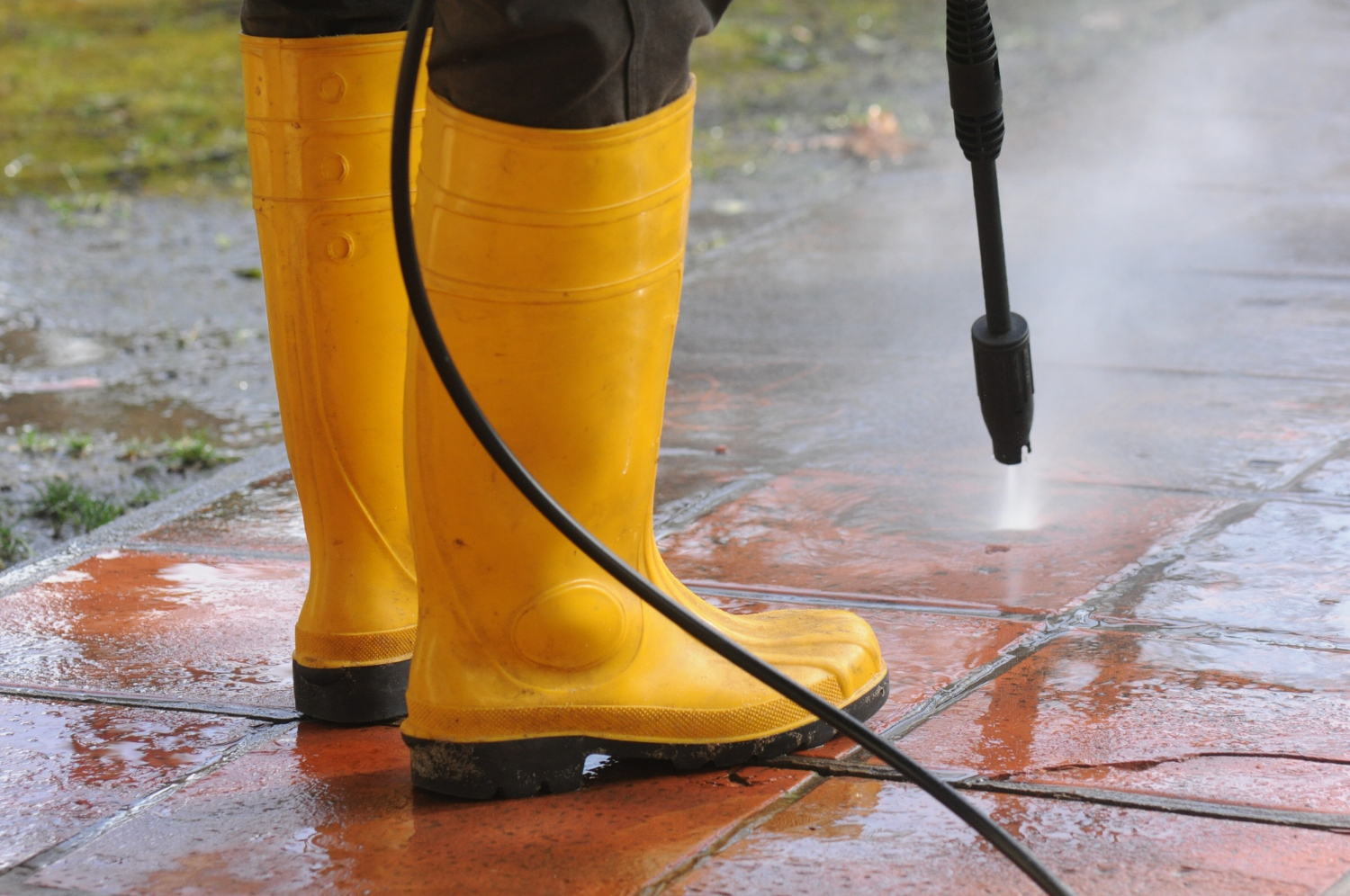
What Pressure Washing Actually Does
Pressure washing uses water pressurized to between 1,300 and 3,000 PSI to clean exterior surfaces . The mechanical force of the water does the work, lifting dirt, mold, and algae from the surface and washing it away.
This differs from soft washing, which uses low pressure (typically under 500 PSI) combined with cleaning chemicals to kill organic growth at the root . Soft washing is safer for delicate surfaces like siding, stucco, and roofs. Pressure washing is the right tool for hard surfaces that can handle the force without damage.
Using the wrong method on the wrong surface causes problems. High pressure can force water behind siding, etch patterns into concrete, strip paint, damage window seals, and erode mortar joints . The goal is not maximum pressure. The goal is the right amount of pressure for the surface being cleaned.
When Pressure Washing Is the Right Choice
Pressure washing works best on hard, durable surfaces that can withstand the force without damage. These surfaces include:
-
Concrete driveways and sidewalks. Concrete handles pressure well and often needs the force to remove embedded dirt and stains .
-
Patios and pool decks. Concrete and paver surfaces collect algae and mildew that pressure washing removes effectively.
-
Brick and masonry. Some masonry surfaces tolerate pressure washing, though older brick and deteriorated mortar require caution .
-
Garage floors. Oil stains, tire marks, and general grime come up with the right pressure and technique.
Pressure washing is not the right choice for every surface. Siding, stucco, painted wood, roofs, and decks need soft washing or very controlled low-pressure methods . Using high pressure on these surfaces can cause damage that costs more to repair than the cleaning was worth.

Why Florida Properties Need Regular Pressure Washing
Florida’s climate creates ideal conditions for organic growth on exterior surfaces. Warm temperatures, high humidity, and frequent rain keep algae, mold, and mildew growing year-round. Driveways and walkways that stay shaded or hold moisture develop slippery coatings that are both unattractive and hazardous.
Pressure washing removes that growth and the dirt underneath. Regular cleaning also protects the surface itself. Concrete that stays coated in organic matter degrades faster than concrete that gets cleaned periodically. The same applies to pavers, stone, and other hardscape materials.
Orlando’s stormwater regulations also come into play. Cleaning runoff needs to be managed so chemicals and debris do not enter storm drains . A professional pressure washing service knows how to control runoff and protect the surrounding landscape.
What Happens During a Pressure Washing Service
A professional pressure washing job follows a sequence designed to clean effectively without damaging the surface.
Assessment. We look at the surface type, condition, and level of buildup. This determines the right pressure, nozzle, and technique. Surfaces with loose paint, cracked mortar, or existing damage may need repair before cleaning.
Surface preparation. We clear the area of furniture, vehicles, and other items. Plants and landscaping near the work zone get pre-wetted and protected from runoff.
Pre-treatment. For surfaces with heavy algae, mold, or oil stains, we apply a cleaning solution and let it dwell. This loosens the buildup so the pressure washing can remove it more effectively.
Pressure washing. We work the surface with controlled passes, adjusting pressure and distance to avoid damage. The goal is even cleaning without etching or striping.
Post-cleaning rinse and inspection. We rinse the area and check for any remaining buildup. Problem spots get a second pass if needed.
What Affects the Cost of Pressure Washing
Pressure washing costs in the Orlando-Kissimmee area depend on several factors.
Surface type. Concrete is generally the most affordable to clean. Paver surfaces, stone, and surfaces needing special handling may cost more.
Square footage. Larger areas cost more but often have lower per-square-foot pricing because crews can work efficiently.
Level of buildup. Light dirt cleans quickly. Heavy algae, mold, or oil stains require pre-treatment and more time.
Access. Surfaces that are easy to reach cost less than areas behind fences, under overhangs, or in tight spaces.
Method required. Some surfaces need soft washing instead of pressure washing, which involves different equipment and chemicals.
Bundling services. Combining pressure washing with house washing or other exterior cleaning can reduce the overall cost .
We provide estimates based on what we see at the property. Phone quotes cannot account for the specific condition of your surfaces and the scope of work.
Questions to Ask Before Hiring a Pressure Washing Service
Before you hire anyone for pressure washing, ask:
-
Are you insured for property damage and liability?
-
Will you provide a written estimate that clearly states what is included?
-
What method will you use on each surface, and why?
-
How do you protect plants and landscaping from runoff?
-
Do you pre-treat surfaces, or just use water?
-
What is the payment schedule?
A professional pressure washing company will answer these questions directly and without hesitation.

Why Central Florida Property Owners Contact ARK Painting
ARK Painting and Pressure Washing Services serves St. Cloud, Kissimmee, Orlando, and surrounding communities with pressure washing, soft washing, and related exterior cleaning services. Customers describe the crew as professional, polite, and careful with their properties.
FAQs About Pressure Washing
What is the difference between pressure washing and soft washing?
Pressure washing uses high-pressure water (1,300–3,000 PSI) to clean hard surfaces like concrete and driveways. Soft washing uses low pressure (under 500 PSI) combined with cleaning chemicals to safely clean delicate surfaces like siding, stucco, and roofs .
Can pressure washing damage my property?
Yes, if used on the wrong surface or with too much pressure. High pressure can force water behind siding, etch concrete, strip paint, damage window seals, and erode mortar . That is why surface assessment matters before cleaning begins.
How often should driveways and sidewalks be pressure washed?
Most Florida properties benefit from pressure washing once or twice a year. Surfaces that stay shaded or collect moisture may need more frequent cleaning to prevent algae and mildew growth.
Do you use chemicals when pressure washing?
For heavy algae, mold, or oil stains, we apply a pre-treatment solution to loosen the buildup before pressure washing. The chemicals used depend on the surface and the type of staining. Plants and landscaping are protected before any chemical application.
Can you pressure wash pavers?
Yes, but pavers require controlled pressure to avoid dislodging sand between the joints. After cleaning, the joints may need new polymeric sand to stabilize the surface.
What surfaces should not be pressure washed?
Siding, stucco, painted wood, roofs, and decks should not be pressure washed with high pressure. These surfaces need soft washing or low-pressure cleaning to avoid damage .
Do you offer commercial pressure washing?
Yes. Commercial pressure washing covers larger surfaces, storefronts, parking areas, and other commercial properties. The approach and equipment differ from residential work based on the size and type of surface.
Areas We Serve
ARK Painting and Pressure Washing Services provides pressure washing throughout Central Florida, including:
Other Services We Offer
Pressure washing is one part of what we do. We also handle soft washing, house washing, driveway cleaning, concrete cleaning, and commercial pressure washing.